Discovering the Potential: A Complete Overview to Toyota Automobile Engines
In the domain of automotive engineering, Toyota stands out for its commitment to innovation and reliability. This guide explores the intricacies of Toyota's wide range of engines, including progress made in hybrid technology and power upgrades. Each engine type offers unique benefits tailored to different driving styles. Understanding these elements can greatly impact vehicle performance and efficiency. The sections ahead will provide critical knowledge that every Toyota owner should consider.
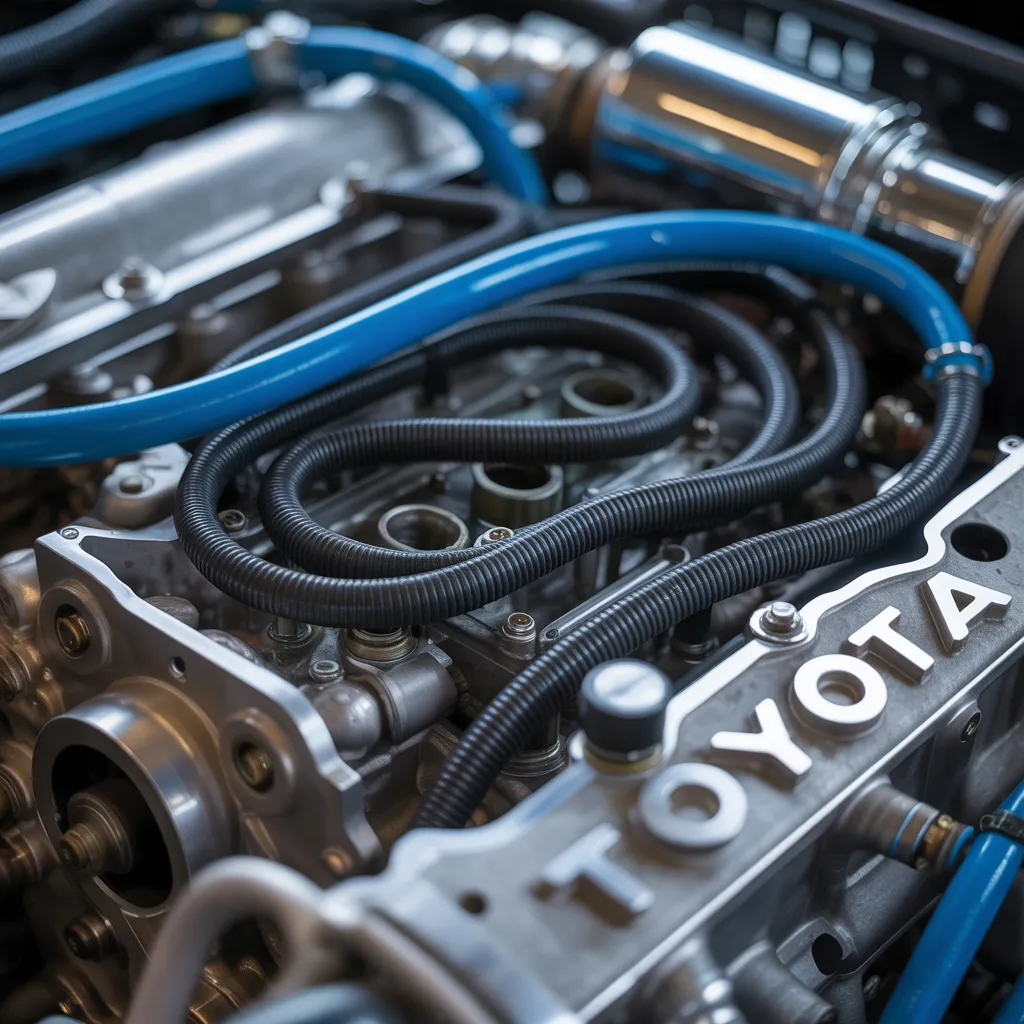
The Engineering Brilliance Behind Toyota Engines
Toyota's team of engineers are committed to consistent performance, frequently surpassing industry standards during testing and development phases. This thorough methodology results in motors that not only deliver exceptional performance but also require fewer maintenance interventions as time goes on. Additionally, the inclusion of advanced innovations, like fuel injection systems and variable valve timing, improves both power output and fuel efficiency.
Toyota Engine Varieties and Their Distinctive Characteristics
Toyota's range of engines showcases a wide range of innovations, including advanced gasoline engines optimized for power and fuel economy. The inclusion of hybrid technology significantly boosts these engines, delivering notable benefits in fuel economy and reduced emissions. Exploring these distinctive characteristics reveals Toyota's dedication to excellence in engineering and environmental responsibility.
Petrol Engine Breakthroughs
A remarkable array of petrol engine advancements characterizes Toyota's engineering prowess, demonstrating various types aimed at improving performance and efficiency. Toyota's Dynamic Force Engine technology exemplifies this pursuit, perfecting combustion cycles and boosting thermal efficiency. Variable Valve Timing-intelligent (VVT-i) systems further enhance performance across diverse driving conditions, providing superior fuel savings without compromising performance. Additionally, the introduction of turbocharged engines allows for compact designs that deliver remarkable power and responsiveness. Toyota's focus on modern materials and precision engineering further leads to reduced friction and improved overall performance. With the implementation of these pioneering technologies, Toyota continues to lead the industry, delivering to drivers a blend of performance, fuel savings, and durability in their gasoline engines, establishing fresh standards for vehicle performance.
Benefits of Hybrid Technology
Hybrid drive technology marks an important milestone in vehicle engineering, integrating the capabilities of both fuel and electric systems to produce a greener and more economical driving experience. Toyota's hybrid systems, such as the Hybrid Synergy Drive, maximize fuel economy while reducing harmful emissions. This system enables cars to run on electric energy at reduced speeds, reducing fuel consumption and enhancing urban driving efficiency. Regenerative braking captures energy typically lost during deceleration, thereby boosting fuel economy even further. Additionally, hybrids offer the advantage of reduced dependency on fossil fuels, contributing to sustainability efforts. With a seamless shift between electric and gasoline power, Toyota's hybrid models offer an exceptionally fluid driving experience, attracting environmentally aware drivers who desire efficiency without sacrificing ecological values.
Understanding Toyota's Hybrid and Electric Engine Options?
While the automotive industry increasingly emphasizes sustainability, Toyota has established itself as a pioneer in hybrid and electric powertrain technology. The brand's innovative approach to hybridization began with the Prius, which set a benchmark for lower emissions and improved fuel economy. Toyota's hybrid systems merge a gasoline engine with an electric motor, allowing for seamless shifts between power sources to enhance both performance and efficiency.
Beyond hybrid models, Toyota has expanded its offerings to include fully electric vehicles, highlighting its focus on zero-emission driving. The brand's electric models prioritize long-range capabilities and quick charging solutions, meeting the growing demands of eco-conscious consumers.
In addition, Toyota is continuously advancing hydrogen-powered fuel cell technology, broadening its diverse powertrain offerings. This wide-ranging plan not only reinforces Toyota's focus on environmental responsibility but also places the company as a leader in the progression toward a more eco-friendly future for transportation.
Technologies Boosting Performance and Efficiency
Toyota utilizes a variety of sophisticated technologies to optimize both efficiency and performance across its range of engines. One prominent innovation is the VVT system, which improves valve operations for better power delivery and fuel efficiency. Furthermore, the integration of direct fuel injection enables controlled fuel delivery, boosting combustion performance and lowering emissions.
Forced induction through turbocharging serves as another critical innovation, enabling smaller engines to produce more power without sacrificing fuel economy. Moreover, Toyota utilizes lightweight materials in engine construction to reduce overall weight, contributing to improved performance and efficiency.
The incorporation of hybrid technology clearly demonstrates Toyota's commitment to sustainability, merging electric and gasoline capabilities for superior performance. Additionally, cutting-edge engine management systems routinely track and optimize engine parameters, ensuring that performance and efficiency are maximized under various driving conditions. These innovations collectively embody Toyota's dedication to engineering excellence.
Strategies to Keep Your Toyota Engine Running Strong
Preserving optimal engine performance and long-term durability demands consistent attention and routine upkeep. Routine oil changes are essential; applying the manufacturer-approved oil type provides maximum lubrication performance. Tracking coolant levels and servicing the cooling system guards against overheating, which may result in significant engine damage. Regularly checking and replacing air filters enhances airflow, improving combustion efficiency.
Additionally, arranging periodic inspections of belts and hoses helps detect wear before it becomes problematic. Proper tire pressure must not be neglected, as maintaining correct tire inflation minimizes stress on the engine. Keeping the fuel system clean is crucial; employing quality fuel along with occasional fuel system TOYOTA COROLLA ENGINE for sale cleaners can boost overall performance.
Additionally, complying with the automaker's maintenance schedules contributes to engine longevity and health. By adopting these maintenance habits, Toyota owners can experience a robust engine that operates efficiently over the years, providing consistent reliability and fuel efficiency while driving.
Picking the Ideal Toyota Engine for Your Driving Style
How do drivers go about finding the right Toyota engine that matches their personal driving needs? Familiarizing oneself with the primary engine options on the market is crucial. For those prioritizing fuel efficiency, Toyota's hybrid engine options, including those equipped in the Prius, provide remarkable efficiency while still maintaining strong performance. On the other hand, drivers in pursuit of a more dynamic experience might gravitate toward the turbocharged powertrains found in vehicles like the Camry TRD, which provide a thrilling time behind the wheel.
For avid off-road drivers, the high-performance engines in the Tacoma and 4Runner provide the essential torque and durability for difficult terrain. Moreover, daily commuters might find the efficient engines in the Corolla adequate for city driving, prioritizing agility and ease of parking.
Essentially, examining personal driving habits, sought-after performance, and environmental factors will guide drivers toward the right Toyota engine, providing a seamless fit between the car's performance features and the driver's lifestyle.
Questions We Often Receive
How Does Toyota Ensure Engine Reliability Over Time
Toyota maintains long-term engine reliability by means of thorough testing procedures, superior materials, and cutting-edge engineering approaches. Continuous improvements derived from thorough research and customer feedback further enhance long-lasting performance, fostering long-term performance and customer satisfaction.
What Are the Common Signs of Toyota Engine Issues?
Typical indicators of Toyota engine problems include strange sounds, oil seepage, decreased engine performance, warning lights on the dashboard, engine overheating, and heavy exhaust emissions. Detecting these signs early on can help prevent more severe damage and costly repairs.
Do Toyota Engines Work Well With Aftermarket Modifications?
Toyota engines are generally compatible with aftermarket modifications, allowing enthusiasts to enhance performance and aesthetics. Nevertheless, compatibility may fluctuate depending on the specific models and upgrades involved, necessitating careful research and consideration for ideal results.
What Is the Best Way to Identify My Toyota Engine Model?
To determine a Toyota engine model, one can check the engine identification code found on the engine block, typically near the front. Furthermore, vehicle identification numbers, commonly known as VINs and vehicle owner's manuals supply essential information for proper identification.
What Maintenance Schedule Should You Follow for Toyota Engines?
Toyota engines typically need regular maintenance between 5,000 and 10,000 miles, which includes oil changes, filter swaps, and detailed inspections. Adhering to the manufacturer's guidelines ensures optimal performance and an extended vehicle lifespan.